



Millennium Challenge Account – Côte d’Ivoire
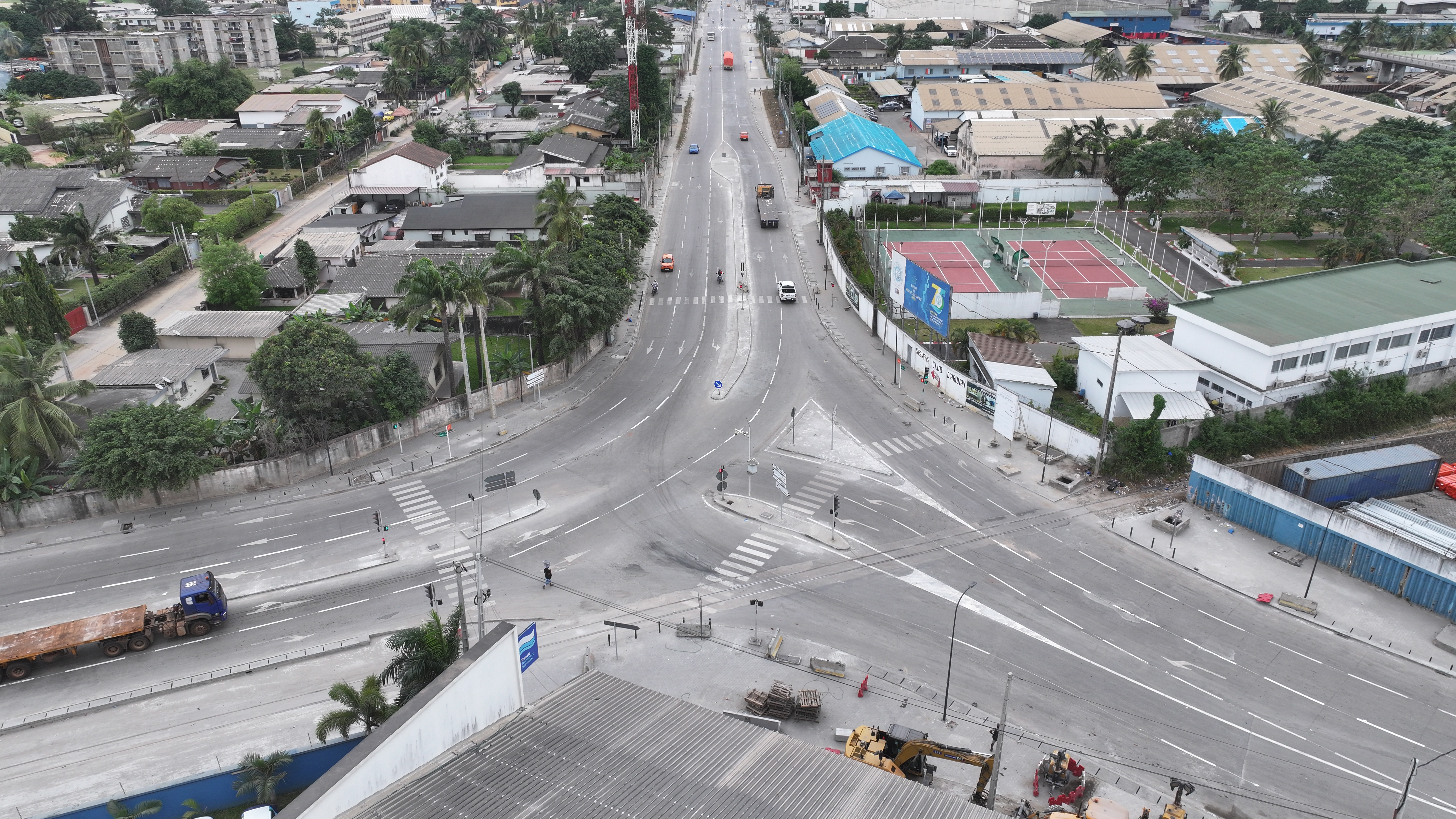
This boulevard in the port area was rehabilitated as part of MCC’s Côte d'Ivoire Compact.
Abidjan is the economic and commercial hub in the West African country Côte d’Ivoire. Here the chaotic traffic maneuvers of exasperated drivers on their way along the boulevard that runs through the Port of Abidjan and the Vridi industrial zone has now given way to a steady hum of engines. Once a nightmare for motorists with haphazardly parked trucks forming a wall of steel and frustration, vehicles in the area now glide over new, sturdy pavement designed to last.
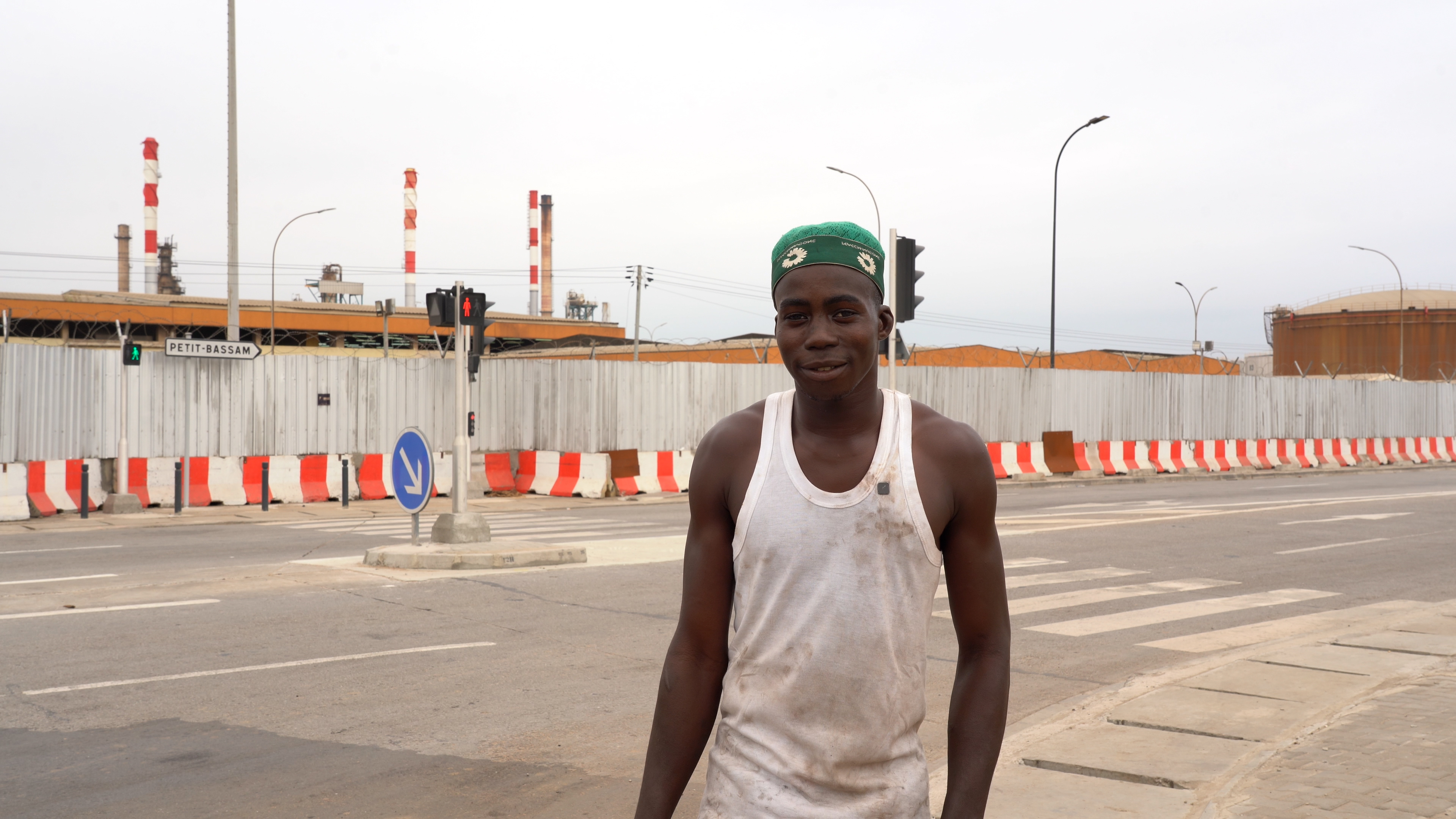
“Since 2012, when I started here, the road was damaged and there were no gutters. You couldn’t even move around to get to work — there were lots of traffic jams,” recalled Bance Abdouramane, a heavy truck mechanic working at the Port. “But today, even if I leave Port-Bouët at 10:30 and by 10:35 I’m already here. Now, when I get a call for a repair, I can get there very early to do my job.”
This transformation is the result of a new bridge through Abidjan’s main artery and rehabilitated critical roads in the port area as part of MCC’s Côte d’Ivoire Compact. Beyond the concrete designed to outlast rain and heavy truck loads, the compact redesigned the flow of traffic through this vital zone in the heart of Côte d’Ivoire’s economic capital, supporting broader efforts to streamline trade and strengthen the competitiveness of the Port of Abidjan as a strategic hub in West Africa.
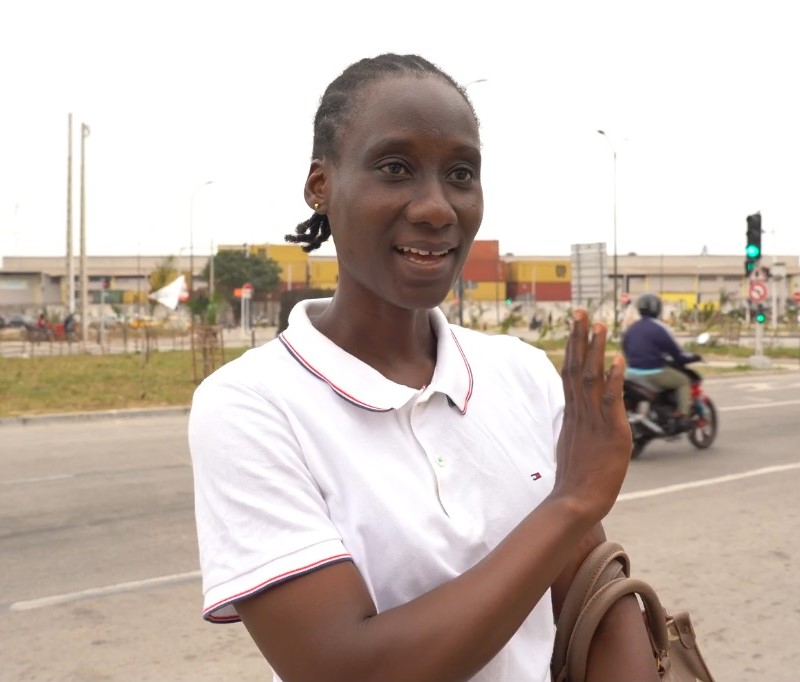
“I’ve been coming to this area since 2015,” said Miss Djo Christelle, a local merchant. “There are no more traffic jams. People move around easily.”
Millennium Challenge Account – Côte d’Ivoire
Truck mechanic Bance Abdouramane says the upgrades to the port roads have made it easier to arrive at jobs on time.
A Holistic Approach: People, Logistics, and Infrastructure
Before work began, the project identified and compensated those affected, in accordance with MCC principles and alignment with International Finance Corporation standards. This integrated approach ensured that human rights were respected while paving the way for smooth construction.
One of the major challenges was relocating trucks that were parked haphazardly in two of the four travel lanes along the roads and causing chronic congestion. The solution was to build two temporary parking lots to accommodate heavy goods vehicles and restore traffic flow.
For residents and workers, the difference is clear. “Every day, I pass here to go to work since 2016,” said Nguessan Yao Jean, a port worker. “Before, cars were stuck because there wasn’t enough space, and when it rained, water could stagnate and splash onto us pedestrians. Today it’s clean, and I’m proud of that. I’m even thinking of buying my own car to drive on this road.”
Millennium Challenge Account – Côte d’Ivoire
According to local merchant Miss Djo Christelle, "There are no more traffic jams. People move around easily."
Meticulous coordination between technical and institutional stakeholders was required for the relocation of underground utility networks, some of which had been invisible for decades. This precise work prevented any disruption in a highly strategic area.
Building Smarter: New Tech for Resilient Infrastructure
The project introduced roller compacted concrete for the first time in Côte d'Ivoire. This robust road is designed to withstand the heavy weight of port trucks. This technology extends the road's lifespan and reduces maintenance costs.
The expected benefits include reduced travel times, lower vehicle operating costs, increased revenues for firms, and improved access to the Port of Abidjan and the Vridi industrial zone for domestic and foreign businesses. “It’s good, it’s clean. Was it like this before? No. But now, it's good,” noted taxi driver Ouattara Bakary.
Millennium Challenge Account – Côte d’Ivoire
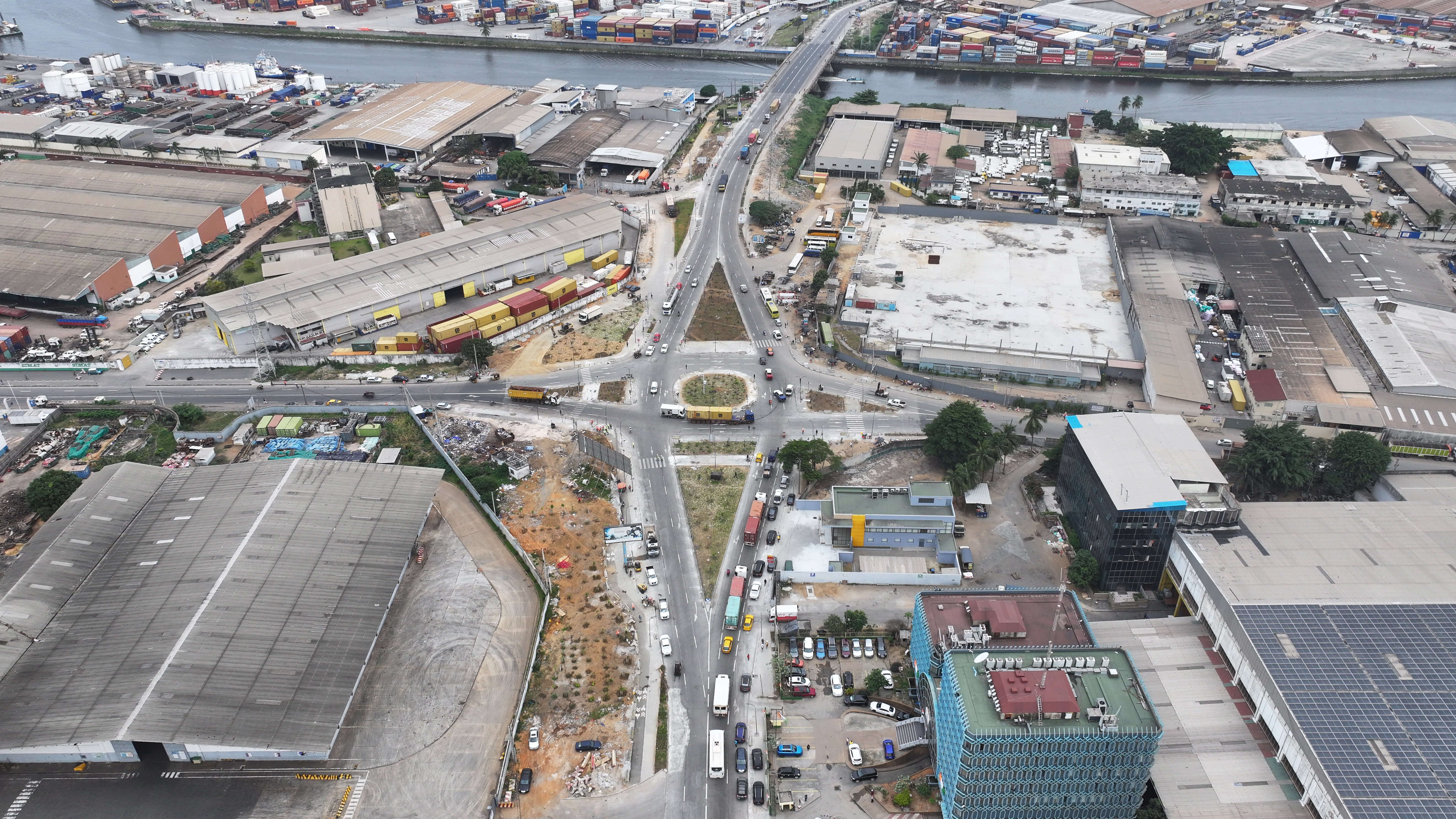
The Vridi port zone in Abidjan, rehabilitated as part of MCC’s Côte d’Ivoire Compact.
Positioning Abidjan as a Regional Trade Powerhouse
This project demonstrates how strategically designed infrastructure can sustainably transform an economic ecosystem. In Abidjan, the road is becoming a catalyst for economic growth and is reinforcing the city’s position as a regional leader.
For U.S. companies operating in the logistics chain or regional trade, this improvement offers concrete benefits, including reduced delays and costs, increased reliability, and a more investment-friendly environment.
With these upgrades, the Port of Abidjan is better able to position itself as a strategic hub for commercial partnerships with U.S. and other companies seeking to establish or expand operations in West Africa.