



Roads. Schools. Opportunity. Built together.

Transforming transport and training the workforce for a more prosperous Côte d’Ivoire
The Millennium Challenge Corporation (MCC) and the Government of Côte d’Ivoire marked the closeout of the catalytic compact that improved critical transport infrastructure and strengthened public education and workforce development, all to help unlock the full potential of the Ivorian workforce and economy.
From the bustling roads of Abidjan to the newly built technical training centers in Bouaké, the compact’s investments were designed to reduce poverty through economic growth. And today, Ivorians and Americans alike are already seeing the initial results.
The $536.7 million Côte d’Ivoire Compact represents what’s possible when governments, communities, and citizens come together with a shared goal: lasting economic growth.
As MCC and the Government of Côte d’Ivoire wrap up the compact, the legacy lives on—in every student walking into a brighter classroom, every truck driving more efficiently through the Port of Abidjan, and every young person stepping into a skilled career.
"The MCC Compact was much more than a development program,” said Chief of Staff to the President of Côte d’Ivoire Fidèle G. Sarassoro. “It exemplifies the strong partnership between Côte d’Ivoire and the United States.”
Footage: MCA- Côte d'Ivoire, MCC; Production: MCC, CPA Discover how MCC’s partnership with Côte d’Ivoire is transforming transport, preparing students for jobs, and opening doors for trade and investment.
Unlocking Abidjan:Transport Investments in the Heart of the Economy
Abidjan is one of West Africa’s busiest commercial hubs, home to nearly 6 million people and the gateway to landlocked neighboring countries through the Port of Abidjan. Persistent traffic congestion and poor infrastructure choke the heart of the city.
The compact targeted key arteries within the city’s transport network, including:
- Koumassi Interchange and Bypass: A formerly congested and accident-prone roundabout was transformed into a multi-lane interchange with safer pedestrian walkways.
- Rehabilitation of Key Roads through the Port: Critical roadways were upgraded across Abidjan, improving travel times, safety, and access.
For decades, Port Vridi Boulevard—one of the busiest arteries running through the Port of Abidjan—was plagued by chaos and congestion. During the rainy season, it became nearly impassable. Truckers were forced to idle for days in the relentless heat, surrounded by potholes and stagnant water, with nowhere safe to park or rest. This congestion wasn’t just an inconvenience—it was a drain on livelihoods and a danger to health and safety.
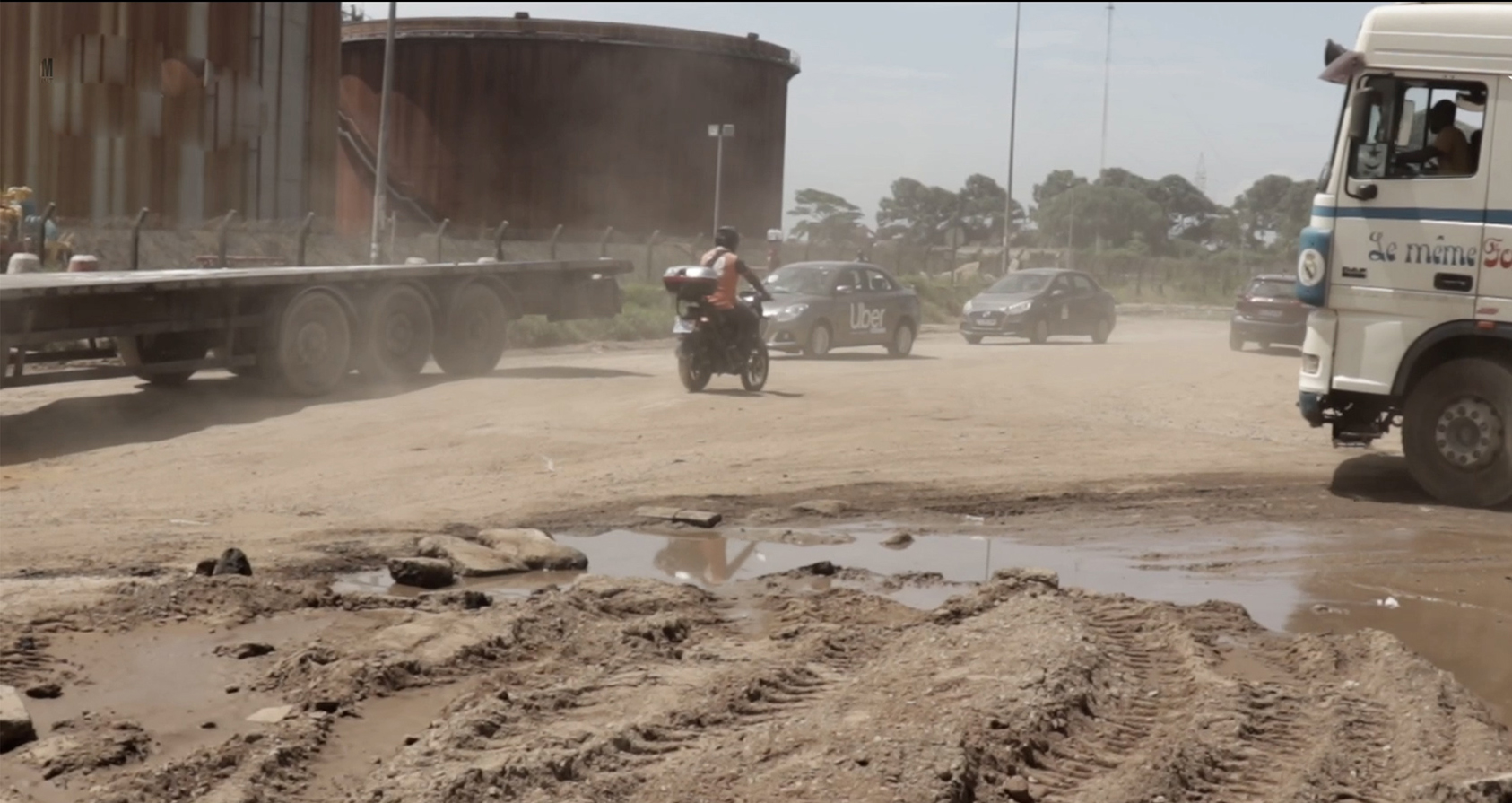
Millennium Challenge Account – Côte d’Ivoire
Despite its importance to commerce and trade, the Port Vridi Boulevard was a hazardous, flooded, and congested throughway to the Port of Abidjan.
But that is changing.
Thanks to the MCC compact, key roads have been rehabilitated—bringing vital structure to a once disordered and hazardous area. Truck drivers no longer have to gamble with potholes or pay for costly repairs after their lorries sink into mud.
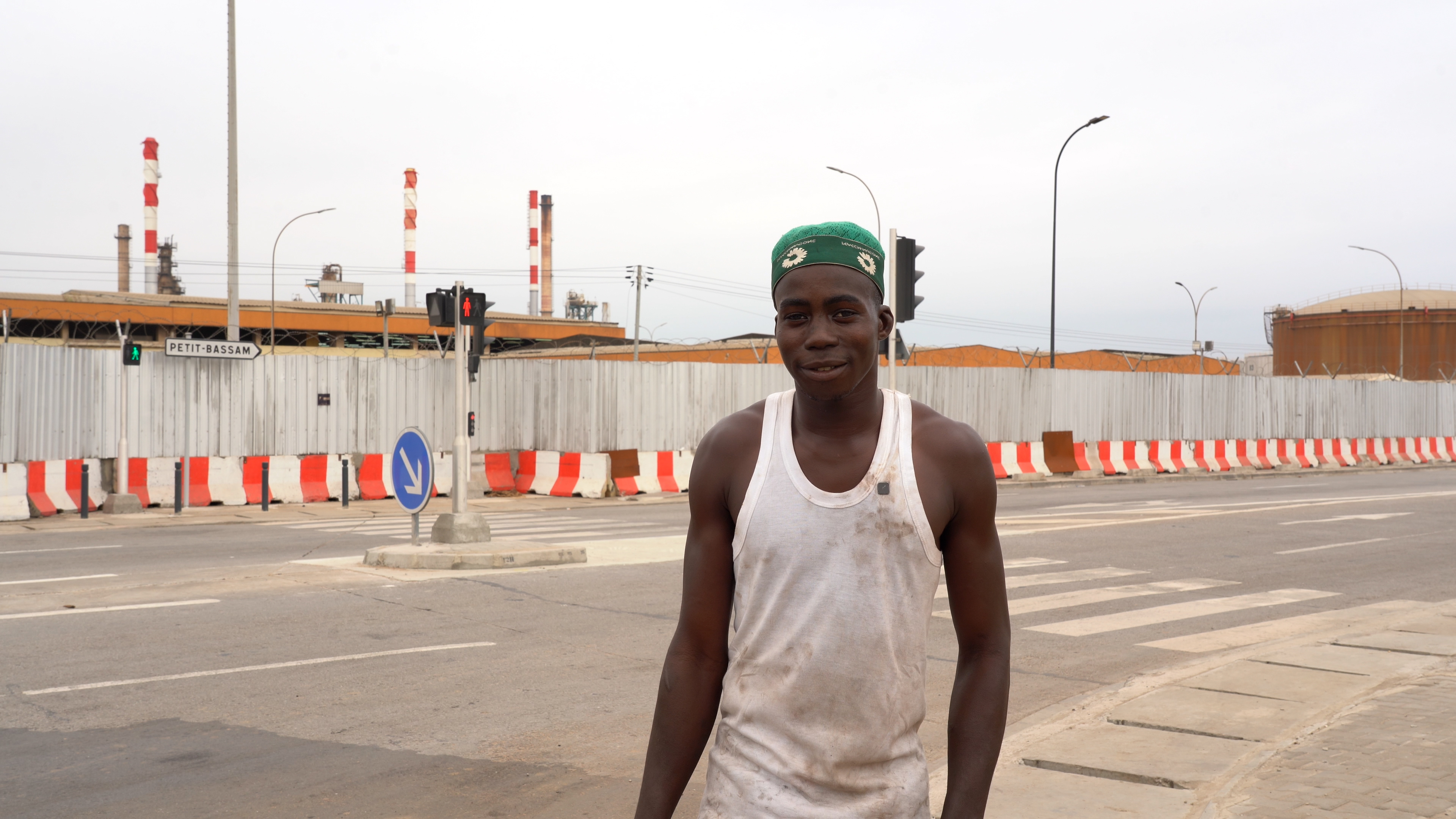
Millennium Challenge Account – Côte d’Ivoire
Abdouramane Bance stands in front of the improved road to Port Vridi, where he works as a heavy truck mechanic.
“Since 2012, when I started here, the road was damaged and there were no gutters. You couldn’t even move around to get to work—there were a lot of traffic jams. Instead of arriving at work at 8:00 a.m., we’d often get there at 10:00 a.m.,” said Abdouramane Bance, a heavy truck mechanic working at the port. “But today, even if I leave Port-Bouët at 10:30, by 10:35 I’m already here. Now, when I get a call for a repair, I can get there very early to do my job. All the truck drivers and we mechanics can work properly now. I want to thank the American government for this beautiful infrastructure.”
These improvements are more than cosmetic, they are unlocking commerce, improving safety, and making everyday life smoother for workers, parents, and businesses across the region.
FEATURED BLOG
-
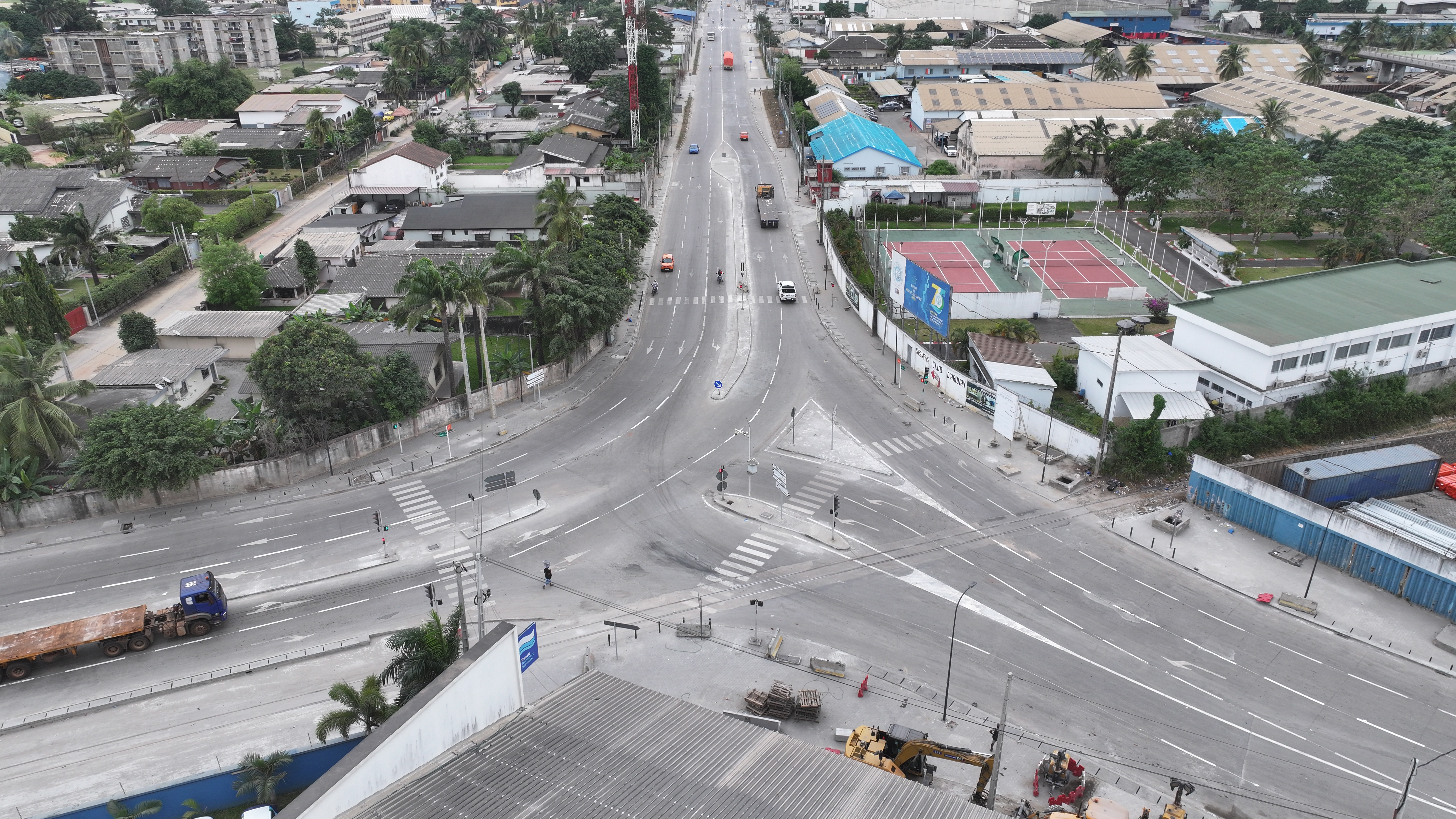
Strategically designed infrastructure can sustainably transform an economic ecosystem.
Skills Education: A Catalyst for Workforce Growth
Beyond transport infrastructure, the compact took a long-term approach to reducing poverty by investing in education and workforce development. Through the Skills for Employability and Productivity Project, the compact funded:
- The Construction of 40 Middle Schools
These schools—built primarily in underserved rural areas—will expand access to quality public education for an estimated 20,000 students.
- Modernized and Expanded Technical and Vocational Education and Training (TVET) Center
Three state-of-the-art TVET centers in Abidjan, Bouaké, and Yamoussoukro will begin enrollment in the coming months, with the capacity to train a projected 2,250 students per year in high-growth sectors like construction, agriculture, and auto mechanics.
- Policy and Curriculum Reform
MCC supported a first-of-its-kind public-private partnership platform to align training with market demand and worked with the Ministry of Education to improve TVET governance and standards.
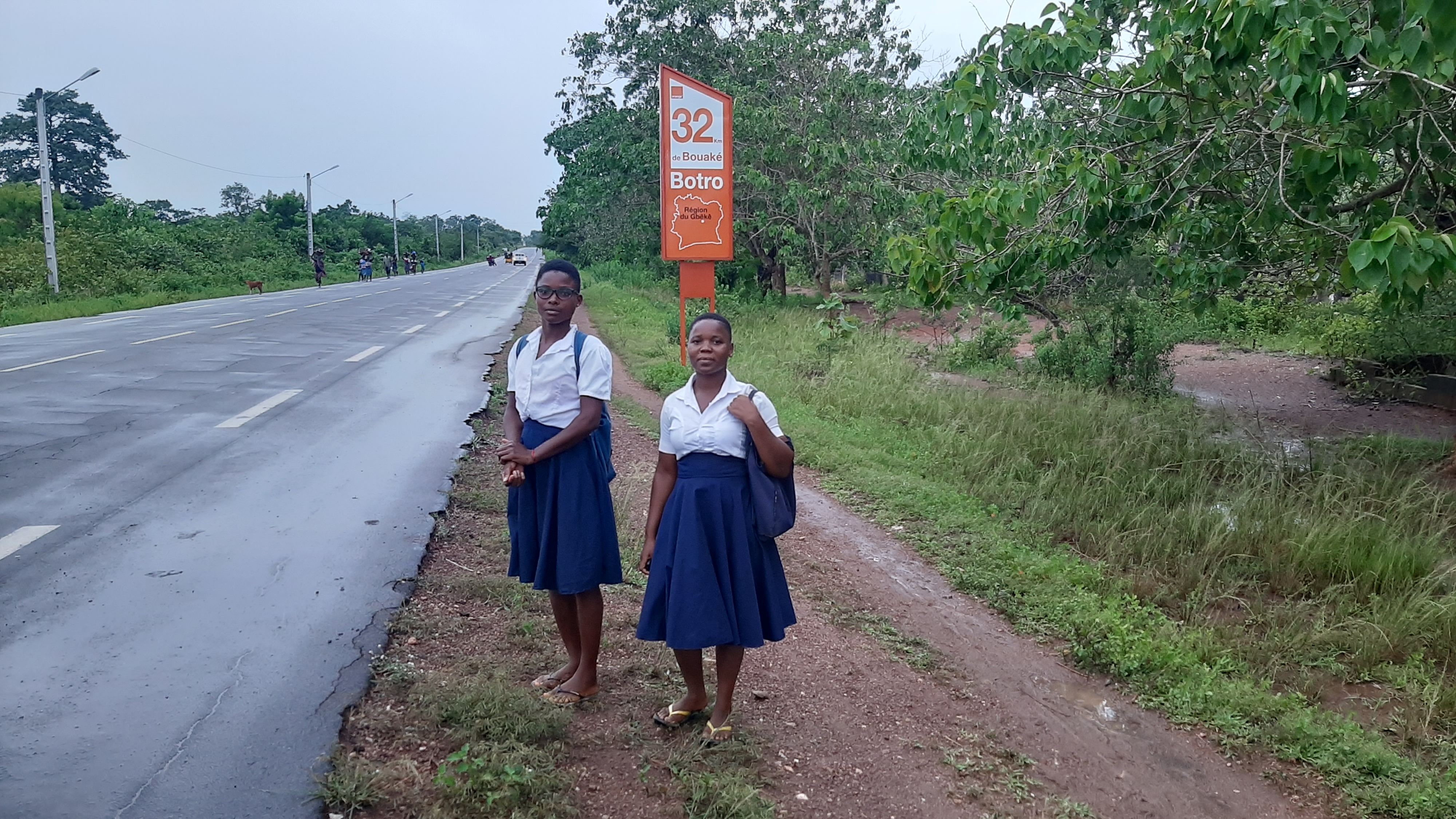
Millennium Challenge Account – Côte d’Ivoire
Young students in Bouaké wait for a ride to school.

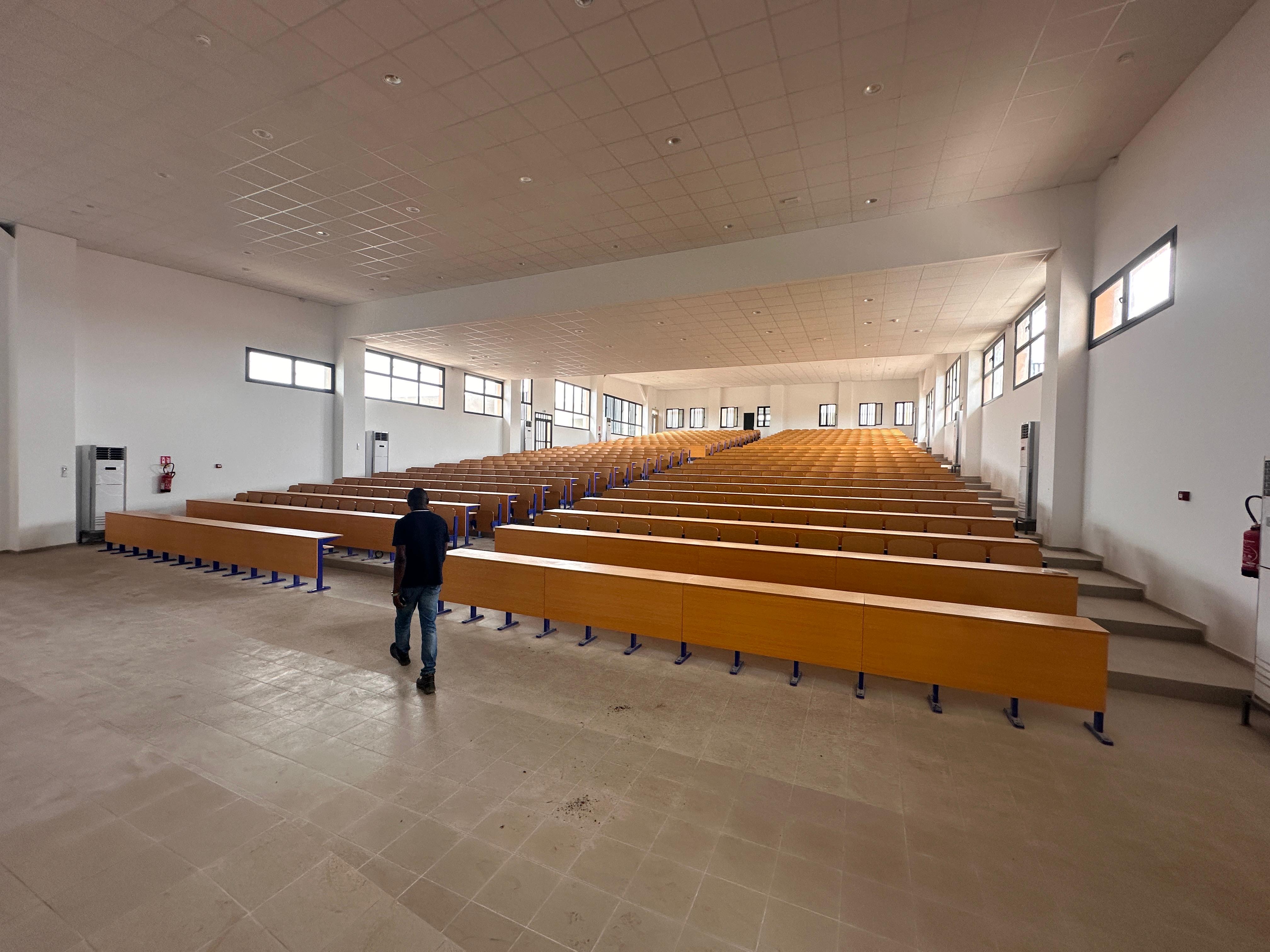
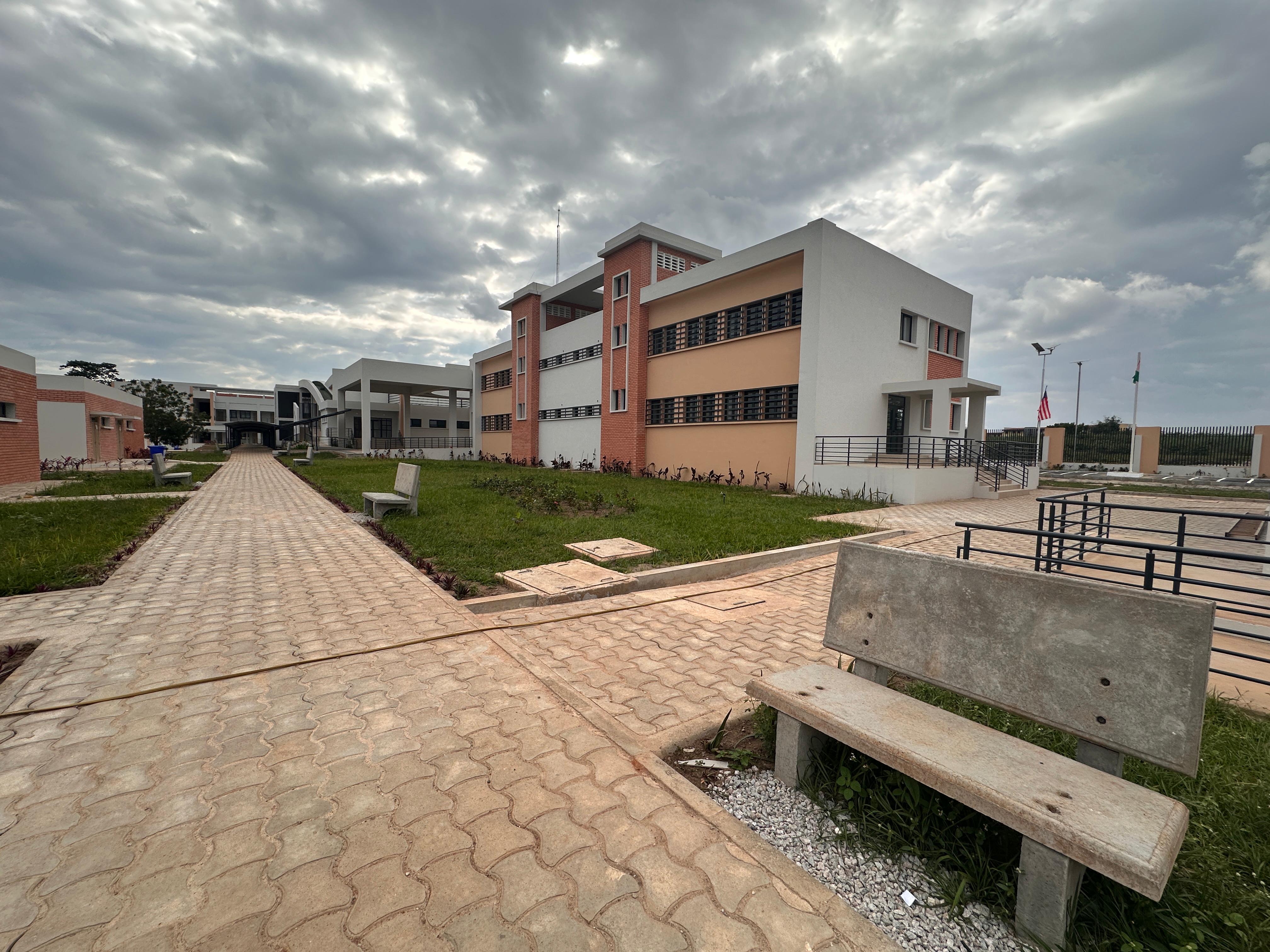
The teacher training school in Bouaké offers modern infrastructure to complement cutting-edge technologies and methods.
“MCC's investment is a catalyst that complements our national reforms,” said Minister for Technical Education, Training, and Apprenticeships N'Guessan Koffi. “By modernizing curricula, improving training quality, and expanding access, the compact helps place technical and vocational education at the heart of Cote d'Ivoire's development strategy and our ambition to reduce youth unemployment.”
These investments are changing lives, closing the skills gap, and creating a workforce that can power Côte d’Ivoire’s next generation and economy.
FEATURED BLOG
-
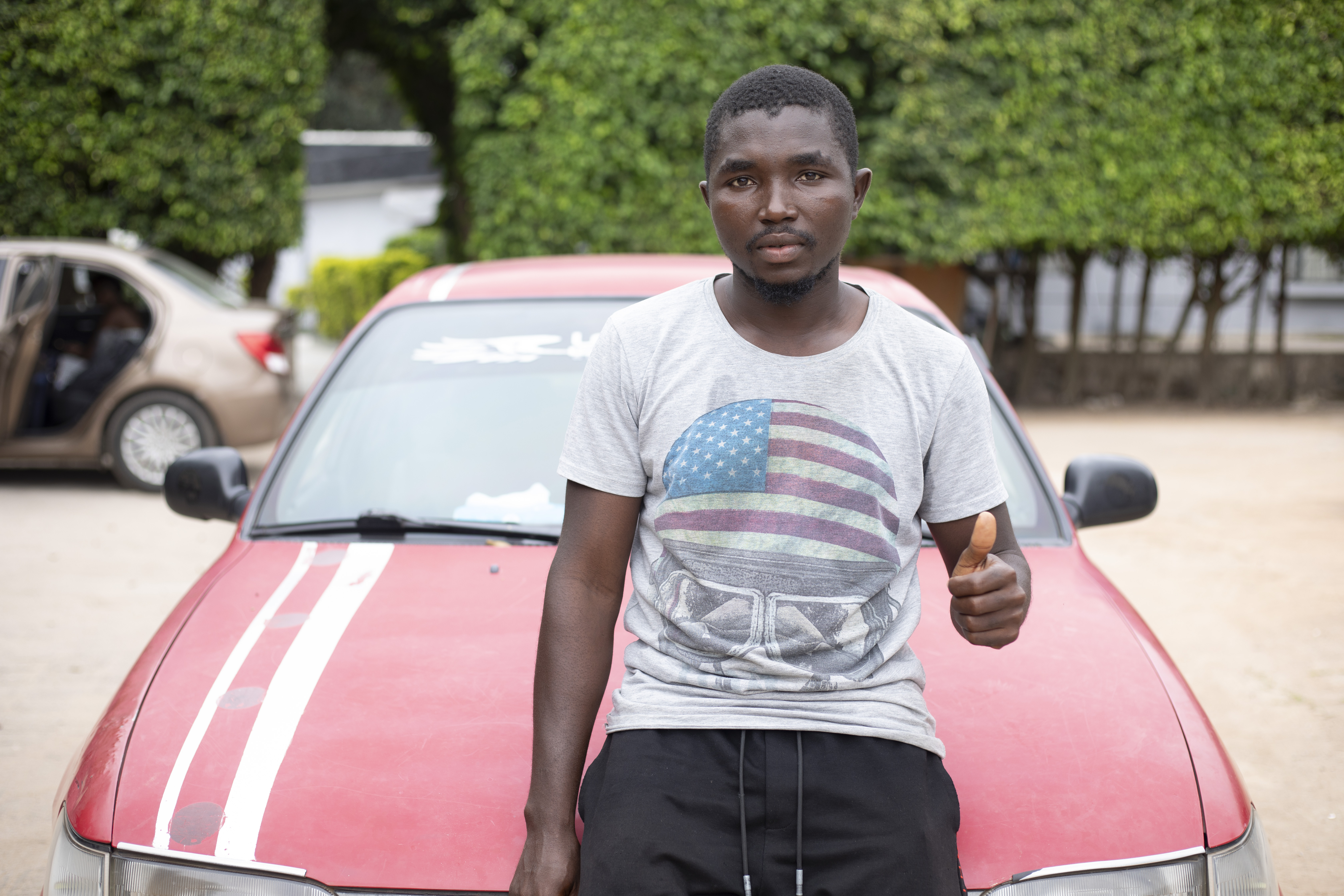
A new training center in Côte d’Ivoire will open doors for Ivorian youth—preparing them for careers in transport and logistics and powering the country’s economic future.
Partnership, Local Ownership, Global Impact
MCC and the Government of Côte d’Ivoire built the compact on a foundation of mutual accountability and shared commitment. The Government of Côte d’Ivoire contributed land and resources and created a dedicated compact management unit, the Millennium Challenge Account (MCA) – Côte d’Ivoire, to ensure delivery.
Through implementation, MCC and MCA-Côte d’Ivoire worked side-by-side with dozens of local ministries, private companies, civil society groups, and international donors to build not only infrastructure—but also trust, ownership, and long-term systems for change.
“The U.S.-Côte d’Ivoire relationship remained focused and faithful to our mutual goals,” said Acting MCC Vice President Jason Small, “creating opportunities for business growth for both the United States and Côte d’Ivoire. What we achieved together speaks volumes.”
The investments of the Côte d’Ivoire Compact are already visible across the country, and the effects will continue to be felt in the years ahead:
- Reducing travel times and costs in central Abidjan will improve investment opportunities for businesses.
- Improved school infrastructure will boost enrollment and retention, especially for girls.
- Market-aligned TVET training will help young people gain the skills they need to thrive in a modern economy.
A merchant and digital marketer in Koumassi, Simba Adama Marius told MCC: “Before, there were interminable traffic jams. Daily life was very complicated, whether going to work or leaving the city. Today, everything is smoother and travel is much quicker.”
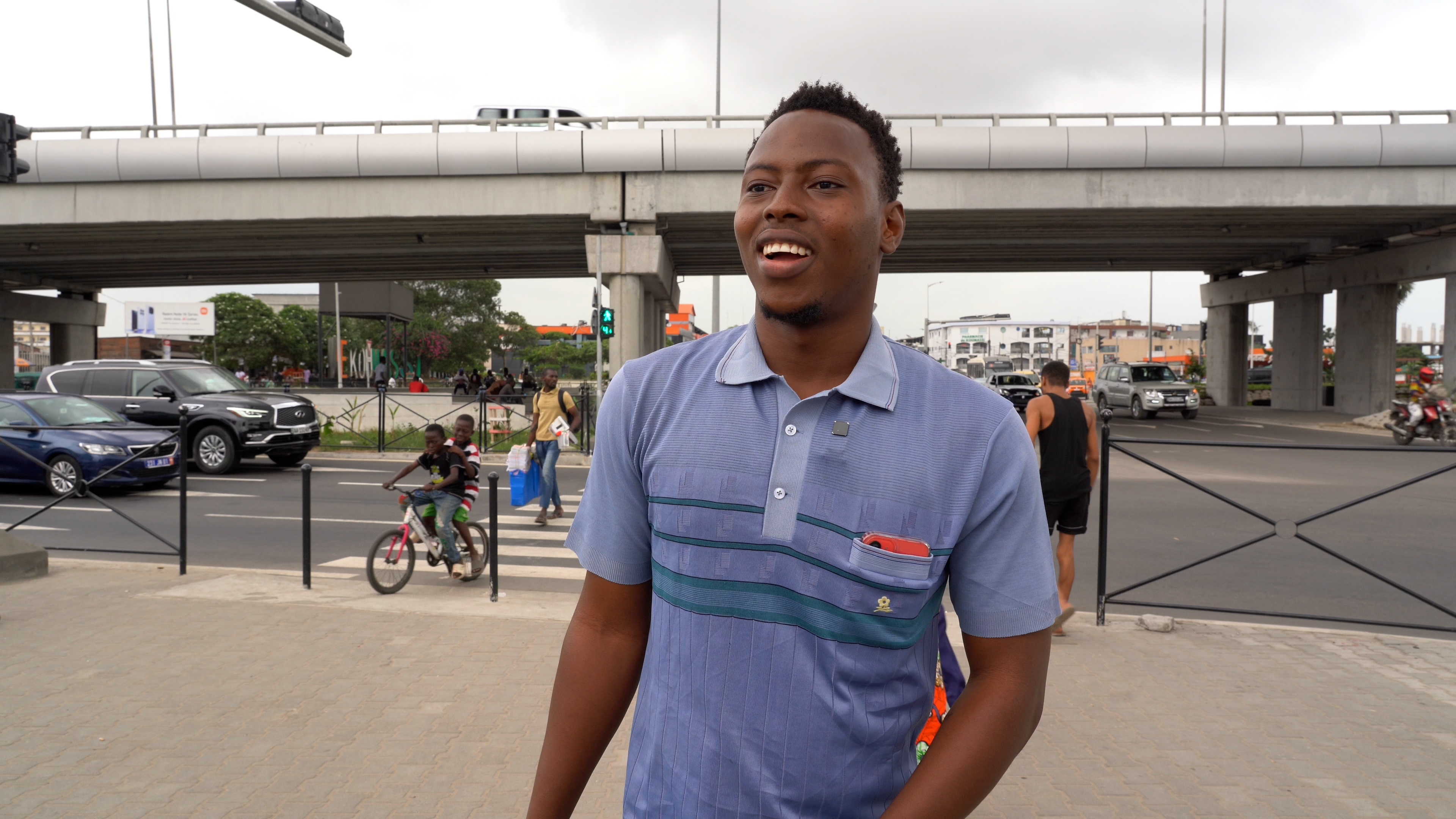
Millennium Challenge Account – Côte d’Ivoire
Simba Adama Marius, a merchant and digital creator, told MCC: “Frankly, this bridge is a real boost for our local development. It enhances not only mobility but also the image of Koumassi.”
Impressed by the improved safety of the intersection, Mr. Marius clarified: “The system of intelligent traffic lights that ‘speak’ and signal crossings is also a great advancement. This especially helps visually impaired people, who can now cross safely. The bridge regulates traffic better and allows everyone to go about their business more efficiently. Before its construction, the main challenges were traffic jams, of course, but also insecurity in the area. The sector was less frequented, and our market even suffered from low foot traffic. Today, thanks to the interchange, we receive more clients. Access has greatly improved, making our market more vibrant.”
The ripple effects are both local and regional. Improved access to the port supports trade across the West African region, while better schools and training prepare future generations for a more productive economy. As the compact closes, its benefits are designed to endure and grow.
MCC and the Government of Côte d’Ivoire have laid the groundwork for long-term sustainability through:
- Maintenance Funding Commitment:The Government of Côte d’Ivoire established and financed dedicated budget lines for road and facility maintenance.
- Private Sector Engagement: A new framework allows businesses to co-design training curricula and offer apprenticeships.
- Data and Evaluation: Independent evaluations will measure the compact’s long-term results and feed lessons into future national planning.
“Today, we close a historic chapter,” said CEO of MCA-Côte d’Ivoire Marie-Viviane A.G. Coulibaly. “But the foundations laid by this Compact will continue to bear fruit for future generations.”