



Water Works for Growth
Strengthening water security. Supporting economic growth. Advancing trusted partners.

Through strategic investments in water supply, wastewater reuse, and sector governance, the compact addressed one of Mongolia’s most pressing development constraints: limited, unmaintainable water resources in a rapidly growing capital city. The work was ambitious, the results are lasting and will support businesses, industries, and households for decades to come.
Footage: MCA-Mongolia; Production: MCC
The Mongolia Water Compact is transforming how water is sourced, delivered, and sustained in Ulaanbaatar.
Mongolia’s Water Problem
Ulaanbaatar—Mongolia’s capital city—is home to nearly half of Mongolia’s population and serves as the country’s economic engine. Industry, services, innovation, and opportunity flow through this city. Yet its growth was constrained by limited groundwater supplies and outdated water infrastructure. Without new, viable sources of water, the city faced:
- Reduced industrial expansion
- Increased strain on groundwater reserves
- Limits to urban development
- Long-term economic risk
“Water is essential to every household, businesses and living being..."
Javkhlan Bold
former Minister of Finance and chair of the MCA Board
“Water is essential to every household, businesses and living being,” said former Minister of Finance and chair of the MCA Board Javkhlan Bold, “so this is a critically important project addressing clean water supply."
“At a time when the world is facing challenges with clean water, the fact that this compact, implemented in cooperation with the United States, was financed and executed on time, created the conditions for its successful completion.”
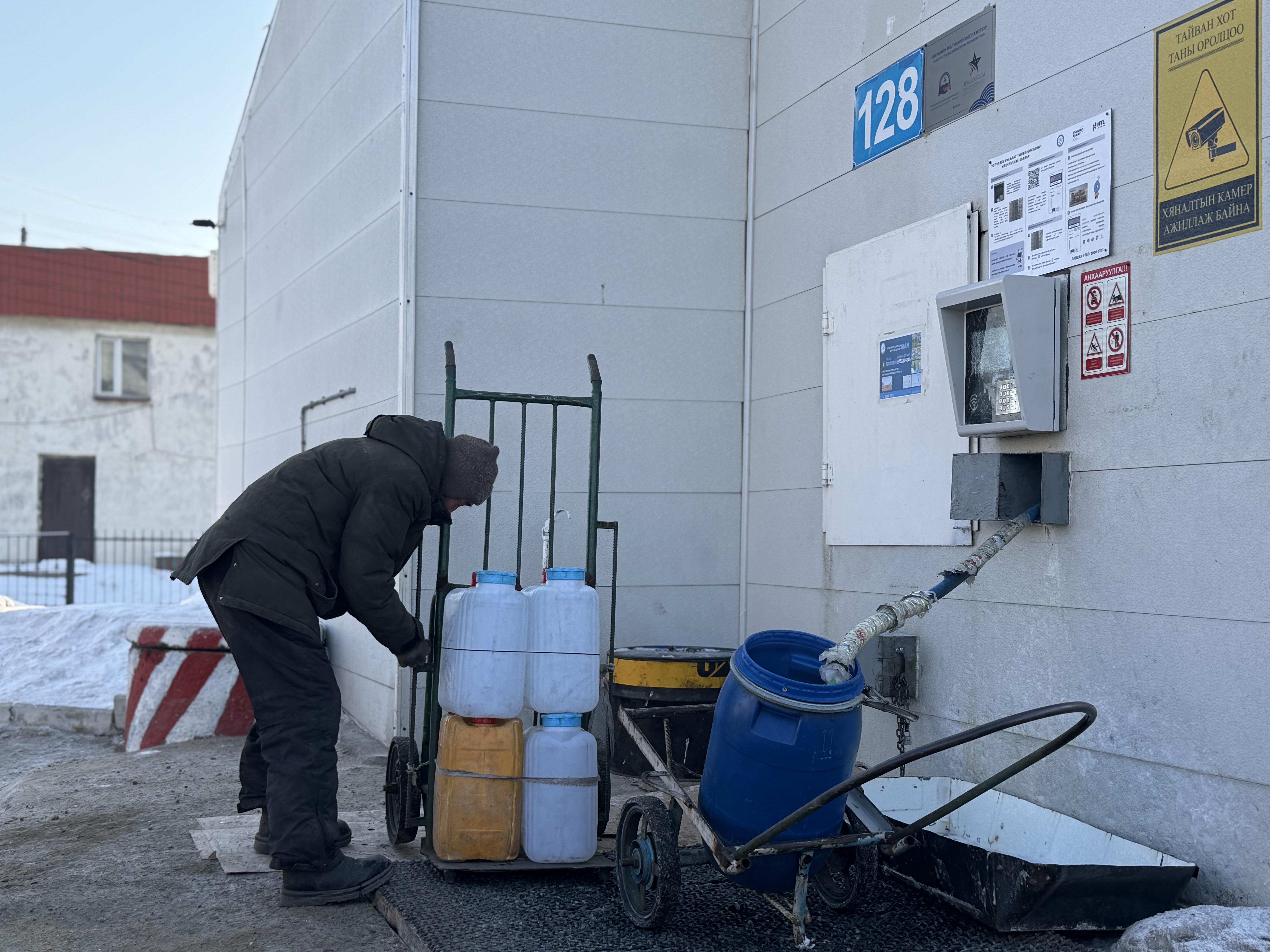
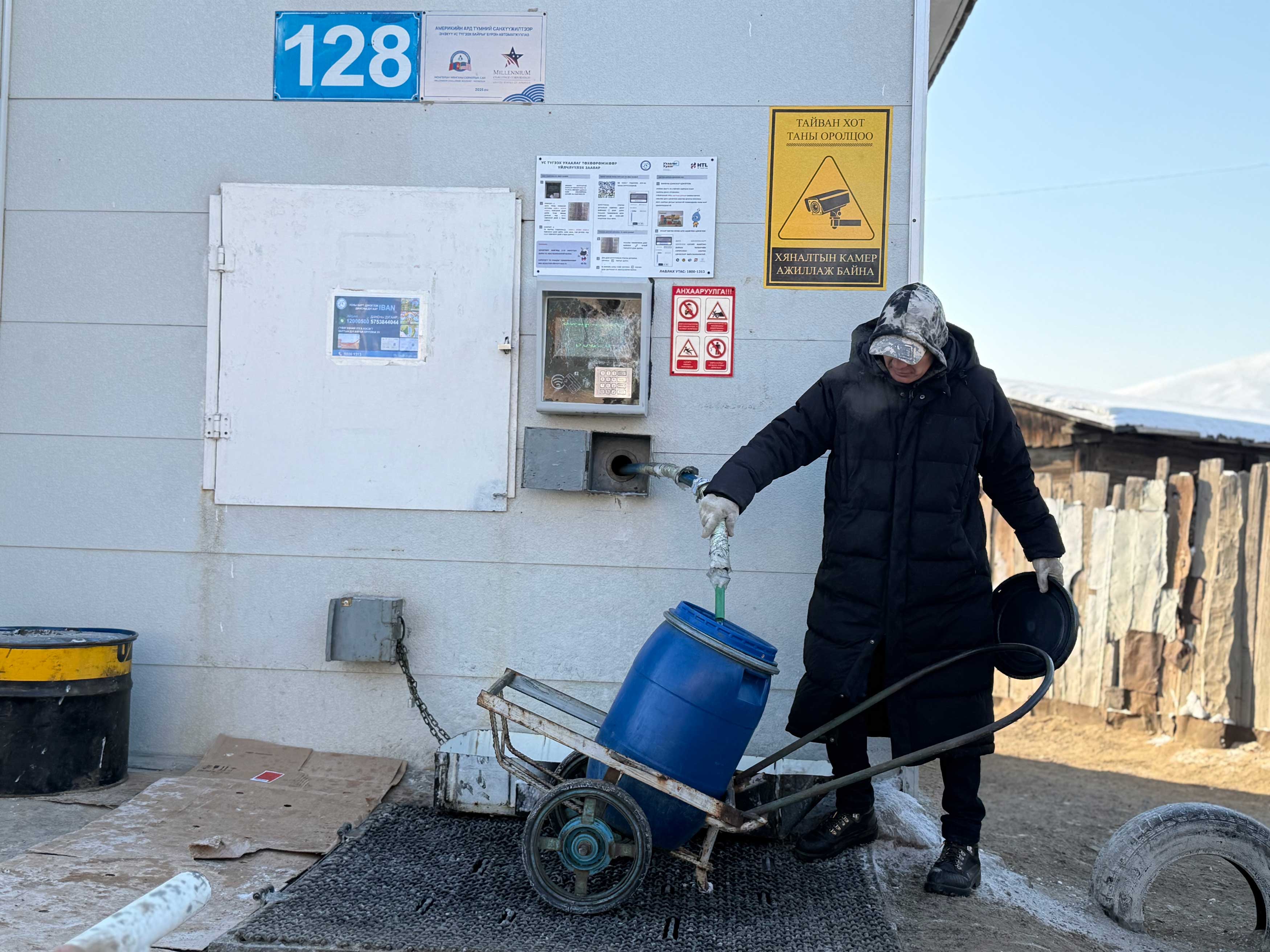
Jessica Glickman, MCC
Ger district residents fill up their water drums from one of the new fully automated water kiosks, upgraded by this compact.
MCC and the Government of Mongolia designed the compact to address these challenges. The solution—combining large scale infrastructure investment with institutional strengthening and policy reform to create durable, long-term impacts. The compact has strengthened the foundation for industrial continuity, urban expansion, and economic diversification.
Reliable water infrastructure attracts investment, reduces risk, supports jobs and long-term prosperity. Business leaders know this and recognize this shift.
MCA-Mongolia
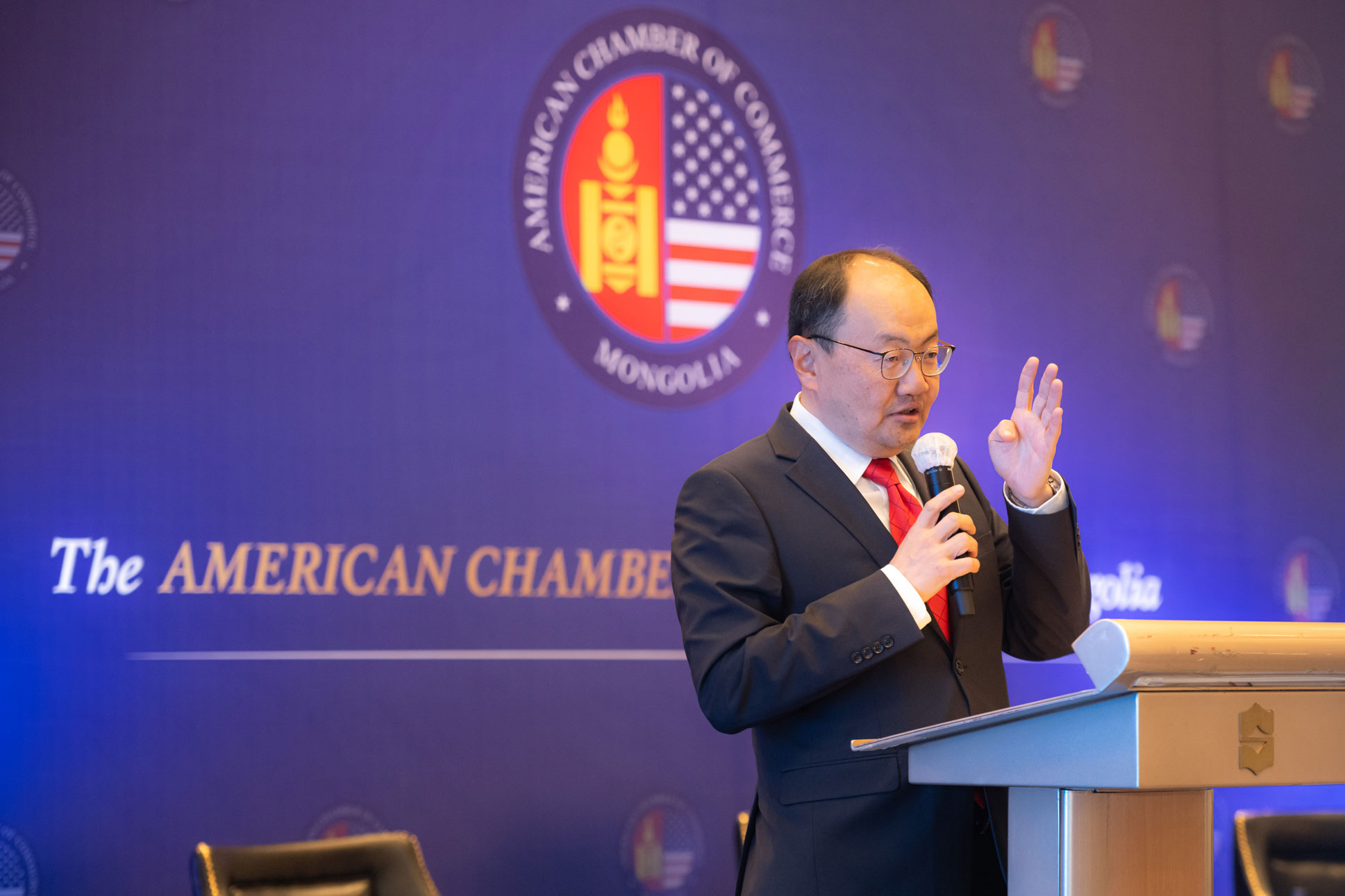
Adiya Oyungerel, American Chambers of Commerce in Mongolia Executive Director
“At the end of the day, water is the essence of life” said American Chambers of Commerce in Mongolia Executive Director Adiya Oyungerel. “We believe this project will help private businesses grow, as beverages, recycling, mining—every business sector requires water, and the essence of this project is to recycle water and improve the water supply in Ulaanbaatar city.”
MCA-Mongolia
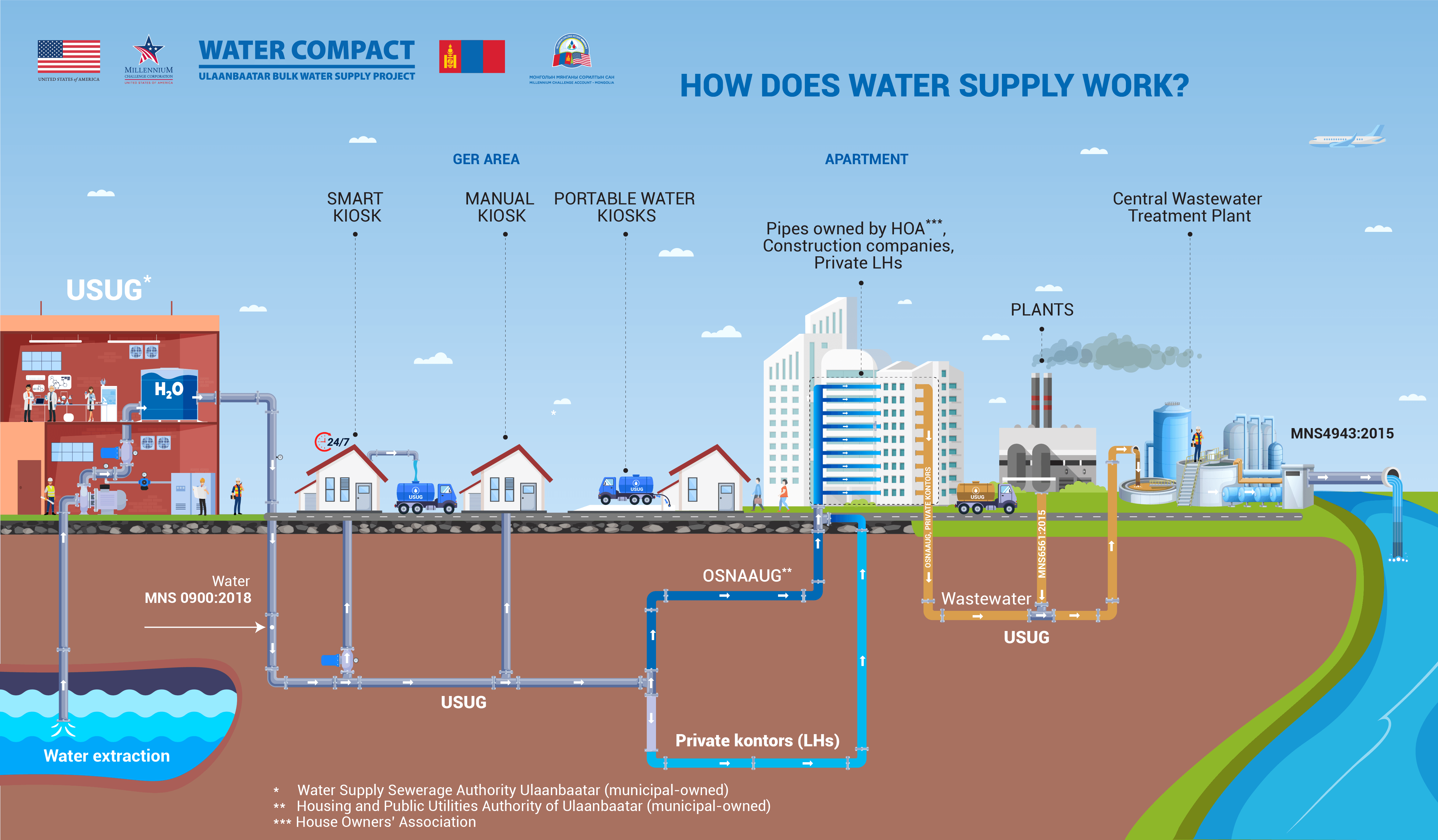
MCA-Mongolia created this infographic to illustrate how water supply moves through the city.
State-of-the-Art Infrastructure—Built to Last
On a clear morning in Ulaanbaatar, engineers stood quietly inside the newly-built Advanced Water Purification plant control room, watching the monitors that now manage one of the most important systems in the country. For them, this moment was not just the close of a compact, it was the beginning of something enduring.
“Working at the Advanced Water Treatment Plant has been a great opportunity for me” said Ms. Urtjargal Pujii, control center technician of Water Supply and Sewerage Authority (USUG). “I’m glad to be part of this important project and to see such a facility built. I’d also highlight that reverse osmosis is a new technology being introduced in Mongolia, and it’s my first time working with it.
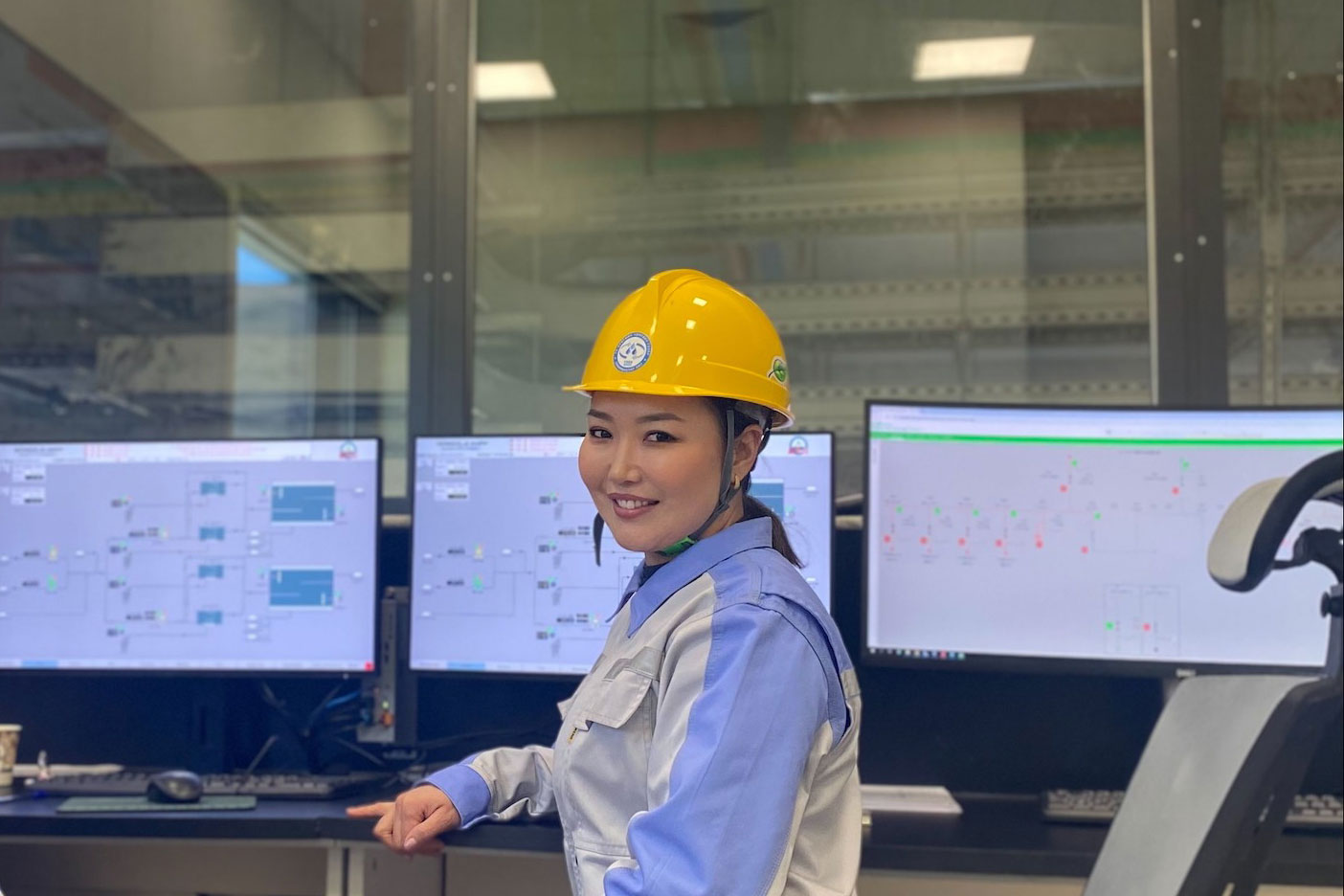
MCA-Mongolia
Ms. Urtjargal Pujii, control center technician of Water Supply and Sewerage Authority (USUG)
She continued: “The SCADA system significantly reduces manual work by enabling full monitoring of all facility processes from one place. It allows operators to detect errors, track how many cubic meters of water per hour are pumped from the Bio and Shuvuun wells, and monitor pump performance in real time.
It also shows how much water is delivered to consumers at each stage. Previously, each pump required three to four operators, but now one person per facility is sufficient, greatly improving efficiency. In case of issues—such as at the sedimentation facility—the system provides immediate alerts through its data monitoring system.”
MCA-Mongolia
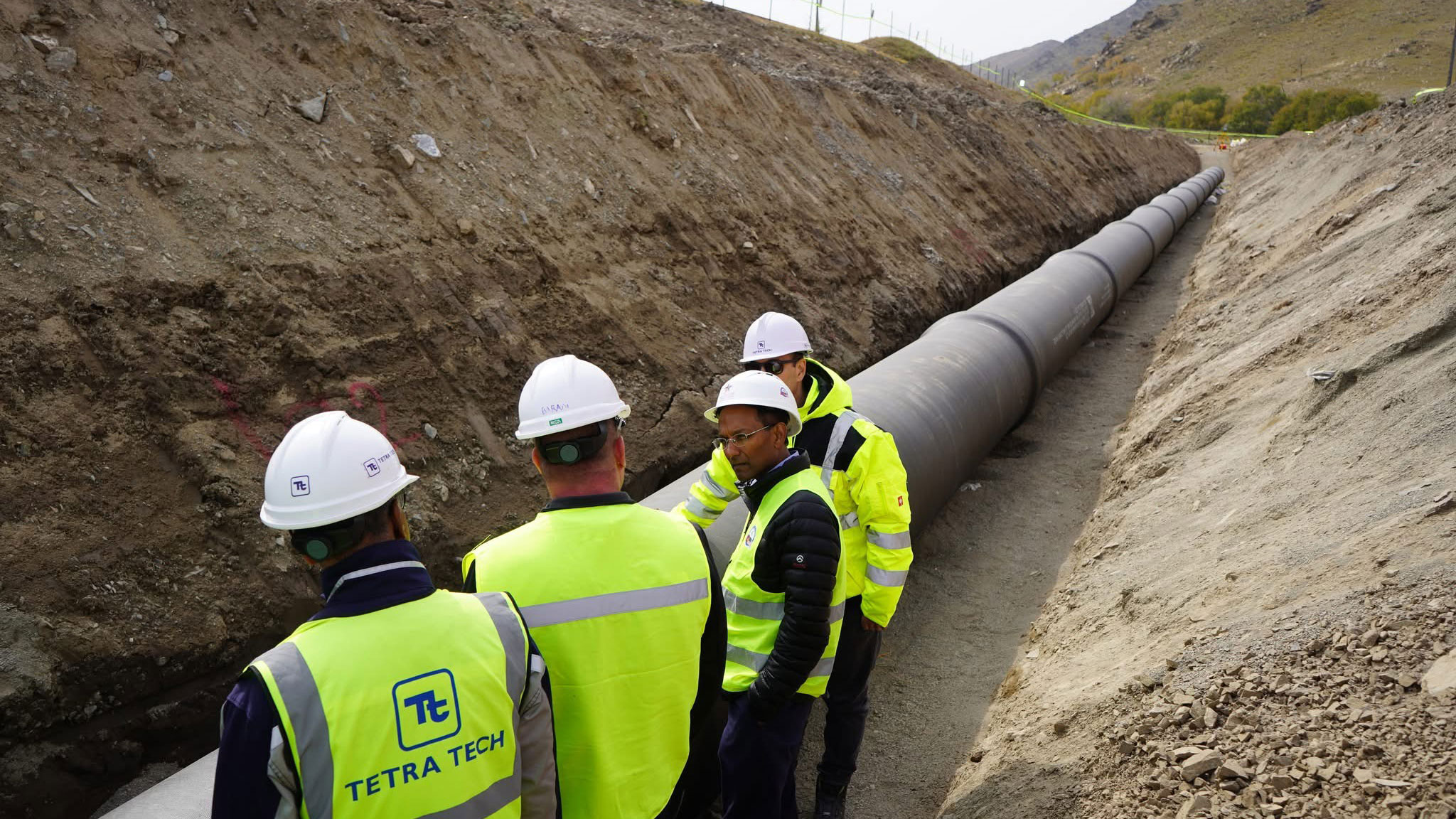
Built with American expertise and grounded in international standards, the compact built infrastructure designed for long-term reliability, quality, and safety. The compact built almost 45 miles of water pipeline throughout the capital city of Ulaanbaatar.
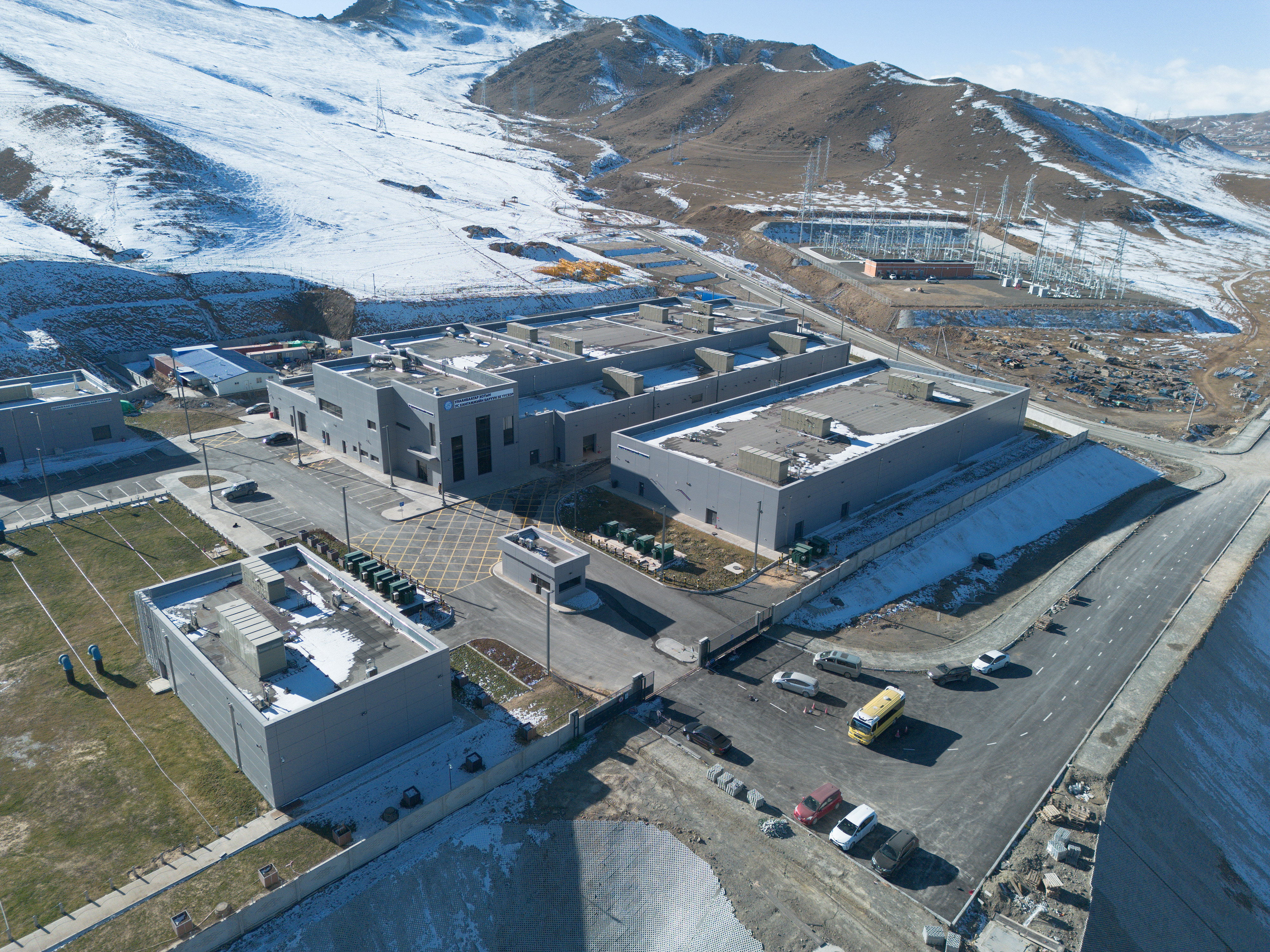
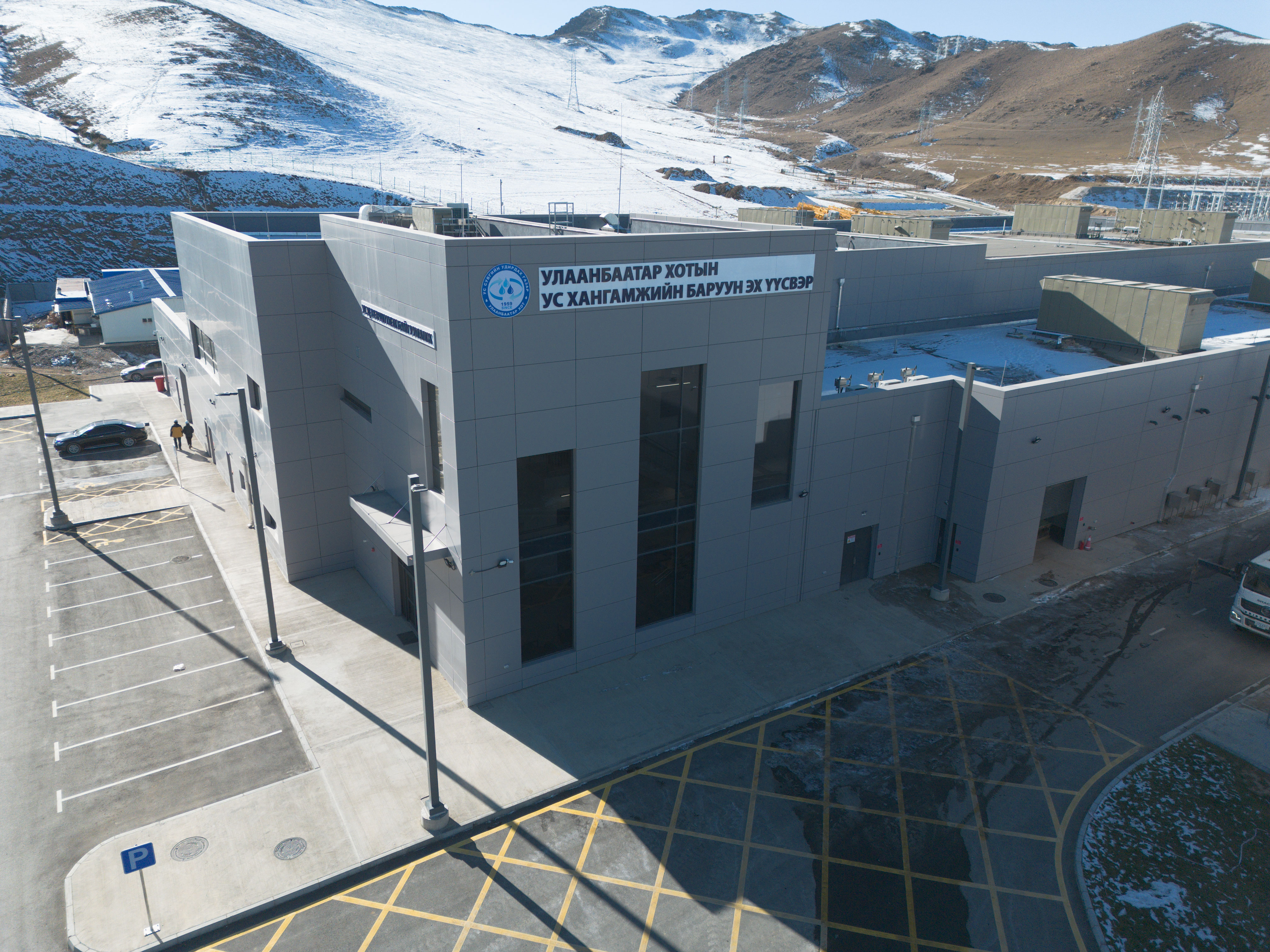
The Advanced Water Purification Plant now treats water from newly developed groundwater source to national drinking standards and integrates it into Ulaanbaatar’s central distribution network. The plant significantly expands treated water capacity, reducing strain on existing sources and increasing reliability for industry, businesses, and households.
Quenching the plant’s thirst required new wellfields and associated infrastructure that will further strengthen supply resilience, ensuring that Ulaanbaatar’s growth will not outpace its water resources. The compact built 30 wells and microtunneled over 1 mile (1650 meters) of pipeline to send groundwater to the plant.
50,000,000cubic meters of water can now be supplied by the plant
The plant can now supply up to 50 million cubic meters of water—larger than 20,000 Olympic swimming pools—boosting the bulk water supply of the capital city.
The compact also delivered a modern Wastewater Recycling Plant, allowing treated wastewater to be reused for industrial purposes, including thermal power generation.
Ulaanbaatar has over 500 factories discharging up to 44,000 cubic meters (almost two Olympic swimming pools) of wastewater per day. By shifting industrial demand away from potable groundwater, Mongolia is protecting its high-quality water resources for residential use.
“The three activities implemented under the Water Compact represent the largest investment made in the water sector in the past 30 years”, said Director of Water Supply and Sewage Authority, Turkhuu Tsogtsaikhan.
“We succeeded. We also addressed our human resources issues seriously. More than 90 of our staff were trained in the Netherlands. Although the project period coincided with the pandemic in recent years, completing it on time is truly an achievement that cannot go unmentioned.”
In the ger district—an unplanned, sub-urban area on the outskirts of Ulaanbaatar where residents frequently are not connected to either power and/or water networks—MCC funded the upgrade of automated 180 water kiosks. This ensures consistent, 24/7 access to water to families and workers. Each upgraded kiosk serves an average 200-300 households and up to 500-600 people in these densely populated areas.
MCA-Mongolia
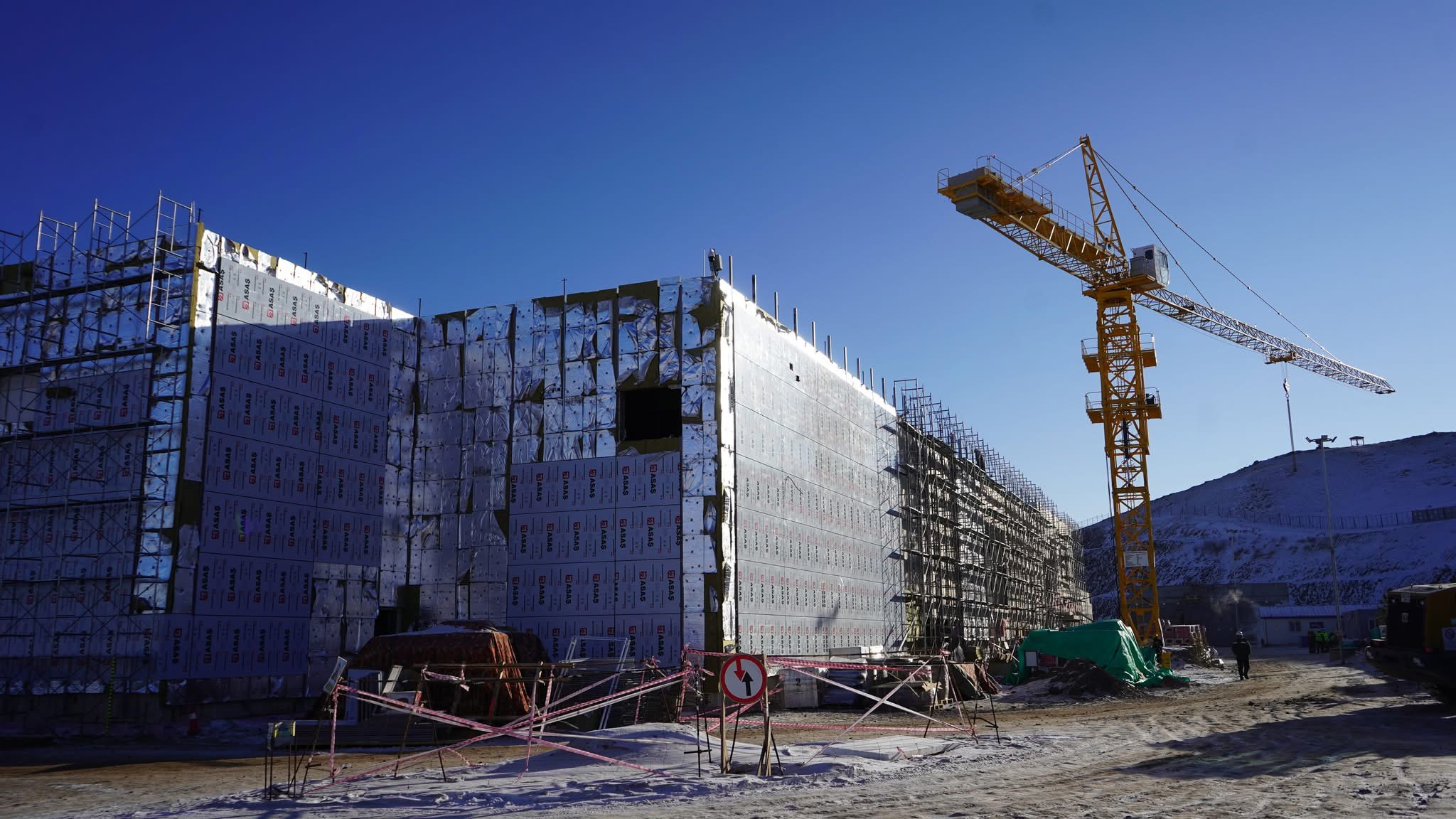
The Advanced Water Purification Plant includes six large structures totaling more than 139,000 square feet and 34 miles of pipeline.
“This Automated kiosk, funded by the U.S. Millennium Challenge, is incredibly valuable for our community” said Mrs. Sugarjav, a resident of Songinokhairkhan District of Ulaanbaatar City. “Previously, whether it was during off- hours, holidays or when the kiosk was closed, many could not access water. Now, we can go in the morning or evening, swipe our card and get water anytime. This practical solution saves time for working people and makes daily life much easier. We are deeply grateful to the American people for this wonderful project.”
The infrastructure built are beacons of American innovation and ingenuity. Compact projects draw on U.S. expertise in water infrastructure, engineering, and technology, with firms such as Tetra Tech, Inc. and AECOM leading the design and oversight of major construction initiatives. These projects highlight the quality, innovation, and technical leadership that American companies bring to global development challenges.
Strong Institutions,
Strong Governance,
Strong Systems
Building the infrastructure alone does not guarantee results. The compact invested in regulatory reform, financial sustainability, environmental safeguards, and utility management systems—ensuring that the sector is equipped not just to operate infrastructure, but to sustain it. Institutional strengthening ensures that the benefits of the compact extend far beyond the construction phase.
Policy change included funding technical assistance aimed at improving the long-term viability of water utility—such as regulatory processes to ensure cost recovery, training on industrial pre-treatment and pollution control, capacity building on utility operations, and public awareness campaigns. Technical assistance also included ensuring affordability standards are adopted, improved water data collection and reporting, clarified subsidies and enabled the targeting of consumer subsidies, and revised tariff plans and regulations.
“The Compact has established a strong technical and institutional foundation for sustainable water services...”
Tsogtsaikhan Ganchuluun
Chairman of the Water Sector Regulatory Commission
MCA-Mongolia
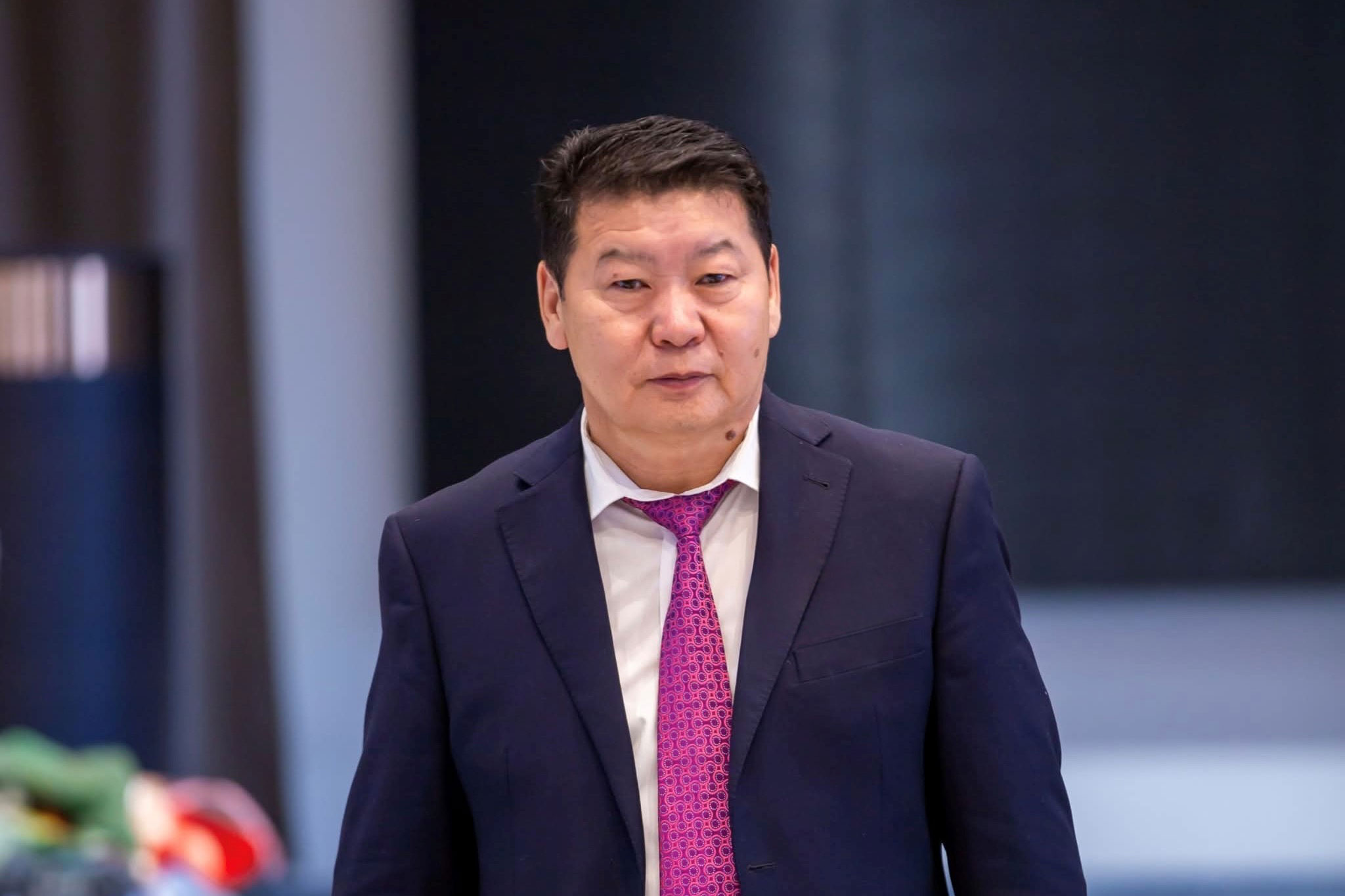
Tsogtsaikhan Ganchuluun, Chairman of the Water Sector Regulatory Commission
“The Compact has established a strong technical and institutional foundation for sustainable water services” said Tsogtsaikhan Ganchuluun, Chairman of the Water Sector Regulatory Commission [WSRC]. “It’s analytical work points to a clear conclusion: tariffs will need to increase gradually to reflect the true cost of water and wastewater services—enabling operators to fully recover operation, maintenance, and depreciation costs while responsibly managing an expanding asset base. At the same time, the WSRC, in close collaboration with relevant ministries and agencies, is developing well-targeted support mechanisms to protect households that are unable to afford the full cost of service.”
MCC’s funding improved the operations of the Ulaanbaatar’s Water Supply and Sewerage Authority, the Water Services Regulatory Commission, the Ulaanbaatar Housing and Public Utilities Authority, and private sector retail water service license holders.
Part of this compact ensured Ulaanbaatar Water Supply and Sewerage Authority participated in study tours to water authorities in the Netherlands to learn how to operate and maintain the new equipment funded by MCC. This improved the Authority’s performance on AquaRating.
MCA-Mongolia
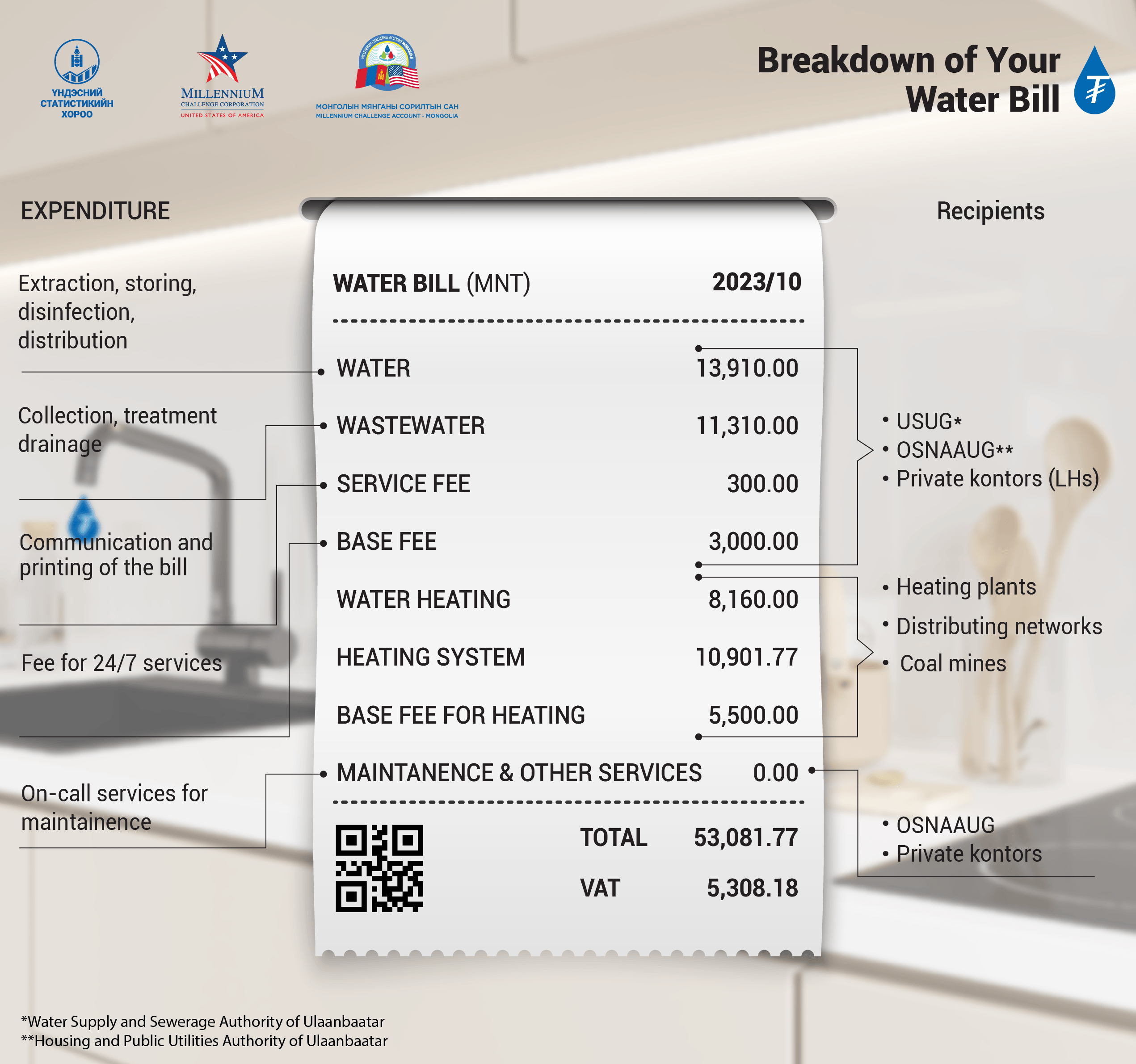
MCA-Mongolia worked to ensure customers understood their water bill, which is key to sustaining reliable services. When customers understand how charges are calculated, it builds trust, supports cost recovery, and helps ensure long term viability of infrastructure investments.
Good for Mongolia, Good for America
For the United States, investing in our allies’ durable economic growth returns dividends. Stable, sovereign, prosperous partners contribute to regional stability and more resilient supply chains. Infrastructure that reduces risk and promotes market-based growth creates opportunities for commercial engagement and strengthens bilateral ties.
Businesses in Mongolia can now plan with greater certainty—domestic and international investors seeking predictable, rules-based governance attracts confidence. Confidence attracts capital. And capital drives opportunity.
Government officials, industry leaders, and private sector representatives celebrated the official handover of the AWPP in May, reflecting on not only the infrastructure, but the partnership.
“We were able to prevent Ulaanbaatar from facing a shortage of clean water sources.”
Nyambaatar Khishgee
Governor of the Capital City and Mayor of Ulaanbaatar
“We were able to prevent Ulaanbaatar from facing a shortage of clean water sources,” said Governor of the Capital City and Mayor of Ulaanbaatar, Nyambaatar Khishgee. “By implementing the Water Compact and putting these plants into operation, Ulaanbaatar has been able to avoid a shortage of drinking water sources for the coming decades.”
MCC funded infrastructure and facilities, which five years later, are now operational. The systems are in place and the institutions are stronger. Ulaanbaatar can grow further with greater economic confidence.
“On behalf of the people of Mongolia, I express deep gratitude to all the engineers, technical staff, employees, partner organizations and American friends who have contributed to this noble mission of purifying precious water, meeting the growing demands of industry, and saving clean water.”
Khurelsukh Ukhnaa
President of Mongolia
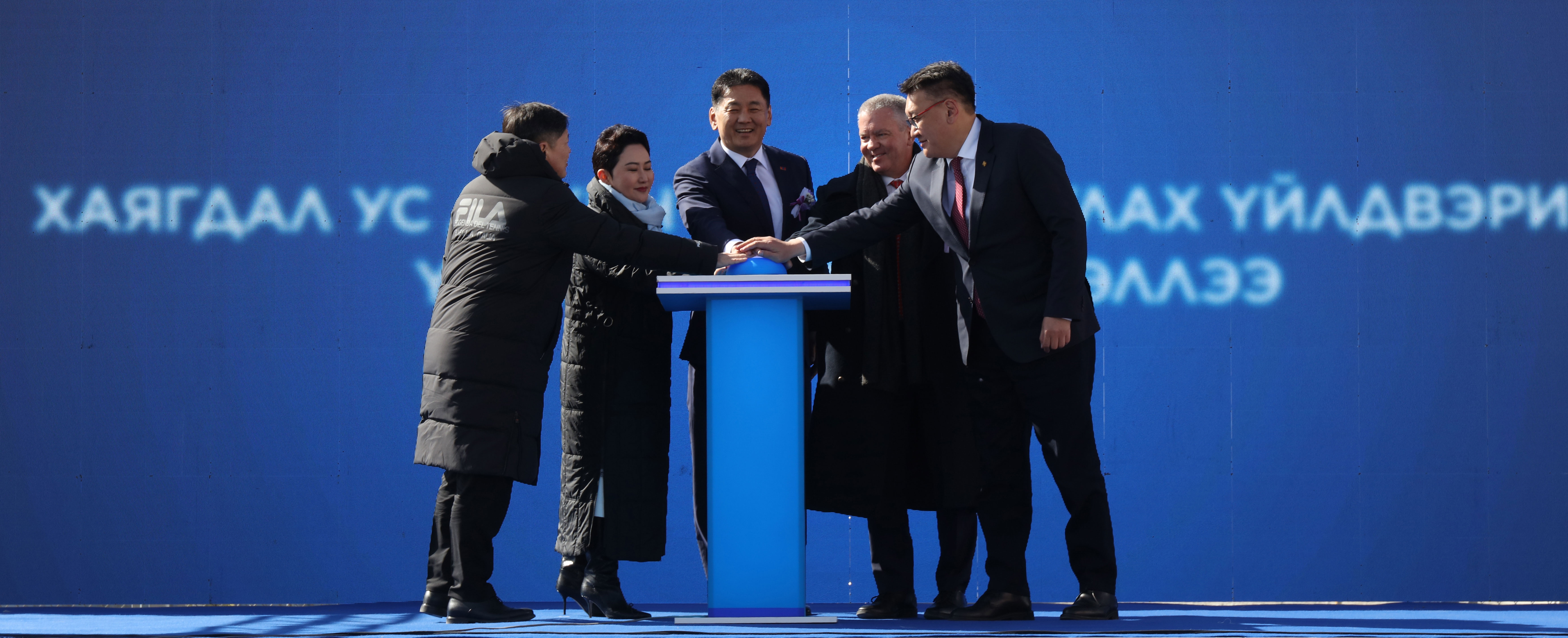
During the recent commissioning of the Wastewater Recycling Plant, President Khurelsukh Ukhnaa stated, “On behalf of the people of Mongolia, I express deep gratitude to all the engineers, technical staff, employees, partner organizations and American friends who have contributed to this noble mission of purifying precious water, meeting the growing demands of industry, and saving clean water.”
Mongolia and the United States span a friendship for more than three decades—grounded in economic freedom, good governance, and mutual respect. The future flows from here.
MCA-Mongolia
Assistant Secretary of State Michael George DeSombre commissioned the Wastewater Recycling Plant alongside the President of Mongolia in March 2026.